
Italy’s Media Landscape: A Hybrid Between Market Logic and Political Power
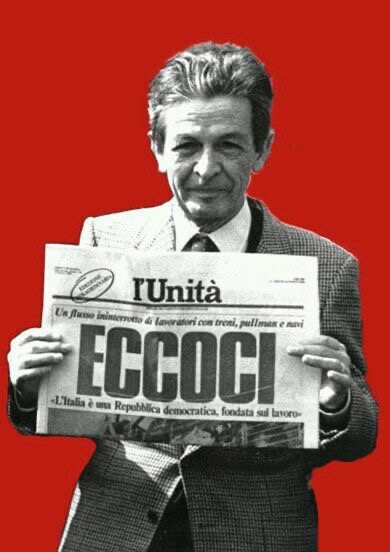
Italy’s media system is notoriously hybrid: neither purely market-driven nor state-controlled, but shaped by a long-standing intertwining of politics, private capital, and public broadcasting mandates. Understanding this requires stepping outside textbook models of capitalism to acknowledge how cultural, political, and historical forces configure media institutions.
Organisation of the Italian media industries
1. Television and broadcasting
Italy’s broadcasting landscape still revolves around two giants:
- RAI (public, state-owned but politically influenced)
- Mediaset (private, but historically tied to political power structures through Berlusconi)
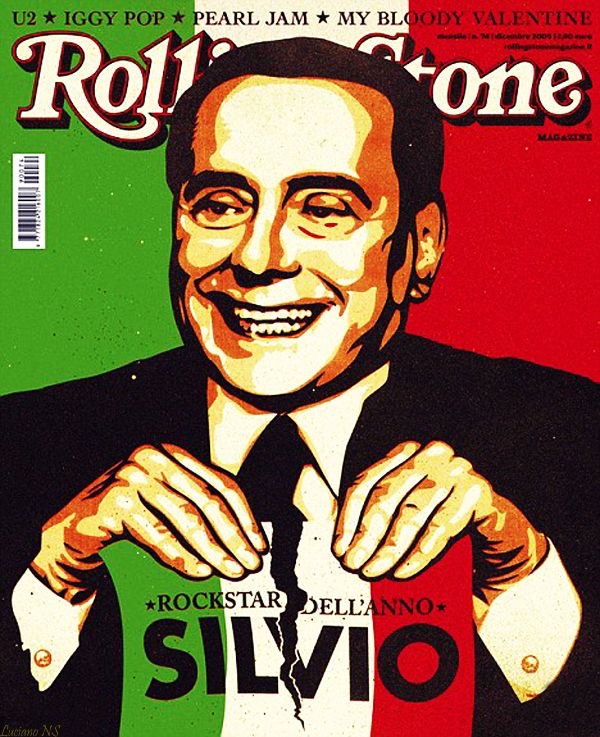
This duopoly shapes not just content but the ideological environment, blurring lines between media markets and political agendas.
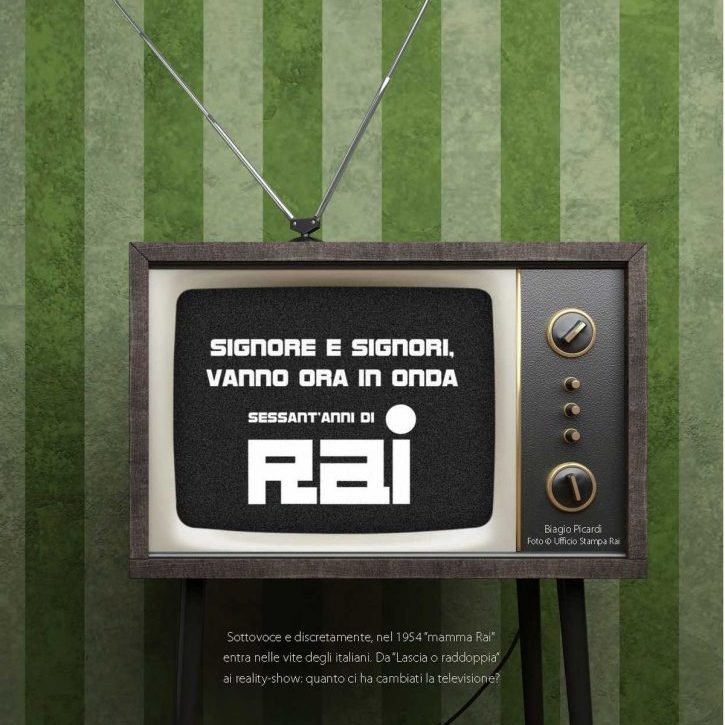
RAI operates on a public service mandate, funded partly by licence fees, reflecting a quasi-social democratic element. But appointments to RAI’s board follow political cycles, meaning its editorial independence is structurally vulnerable.
2. Print and digital news
Italian journalism is financially fragile, with many outlets dependent on state subsidies, philanthropic funding, or wealthy industrial families (e.g., GEDI Group once owned by the Agnelli family). This creates a system where market logic coexists with elite patronage.
3. Streaming and digital platforms
Here the system is fully capitalist: global platforms (Netflix, Disney+, Amazon, YouTube) dominate, often outcompeting Italian productions unless supported by incentives like tax credits for film/TV production.
Does socialism influence the system?
Not directly. But the state plays a structuring role:
- subsidies for cultural industries
- regulation of pluralism
- funding for RAI
- industrial policy around cinema and digital infrastructure
Italy’s model reflects what scholars call a “mixed media economy.” Market forces operate within a matrix of political influence and public interest obligations.
Which Italian media company supports “democratization” of media?
Using McChesney’s definition, media that broaden public access, enhance participation, and reduce concentrated power, one example stands out:
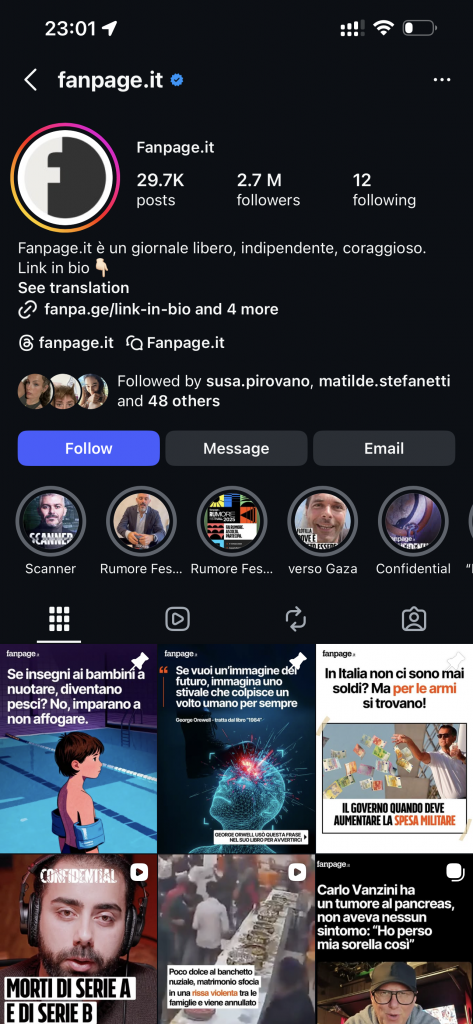
Fanpage.it
Fanpage uses investigative video journalism and accessible digital storytelling to:
- expose corruption and organised crime
- hold political actors accountable
- reach younger audiences via social platforms
- maintain editorial independence from legacy political-economic structures
Unlike traditional broadcasters, Fanpage leverages digital tools not to chase scale but to decentralise visibility. Its use of undercover investigations reflects a commitment to journalistic ethics rather than to platform-optimised virality.
Conclusion
Italy’s media industries are neither free-market nor socialist. They are a hybrid formation in which political influence, public service mandates, private capital, and digital platform logics continuously reshape each other.
Democratisation emerges not through market competition but through actors who leverage digital tools to increase accountability and broaden participation, even when operating inside asymmetrical power structures.
In a media system shaped by
political-economic entanglement,
Fanpage represents a rare
counter-public infrastructure.
On a personal level, navigating the Italian media ecosystem feels like constantly switching between two temporalities. On one side, there is the inherited media infrastructure of my parents’ generation, RAI news at fixed times, printed newspapers on café tables, television as a shared domestic ritual. On the other, there is my own daily media diet, shaped almost entirely by platforms: Instagram for news discovery, YouTube for political analysis, TikTok for cultural trends. This split makes Italy’s hybrid media system not just a structural condition, but a lived contradiction.
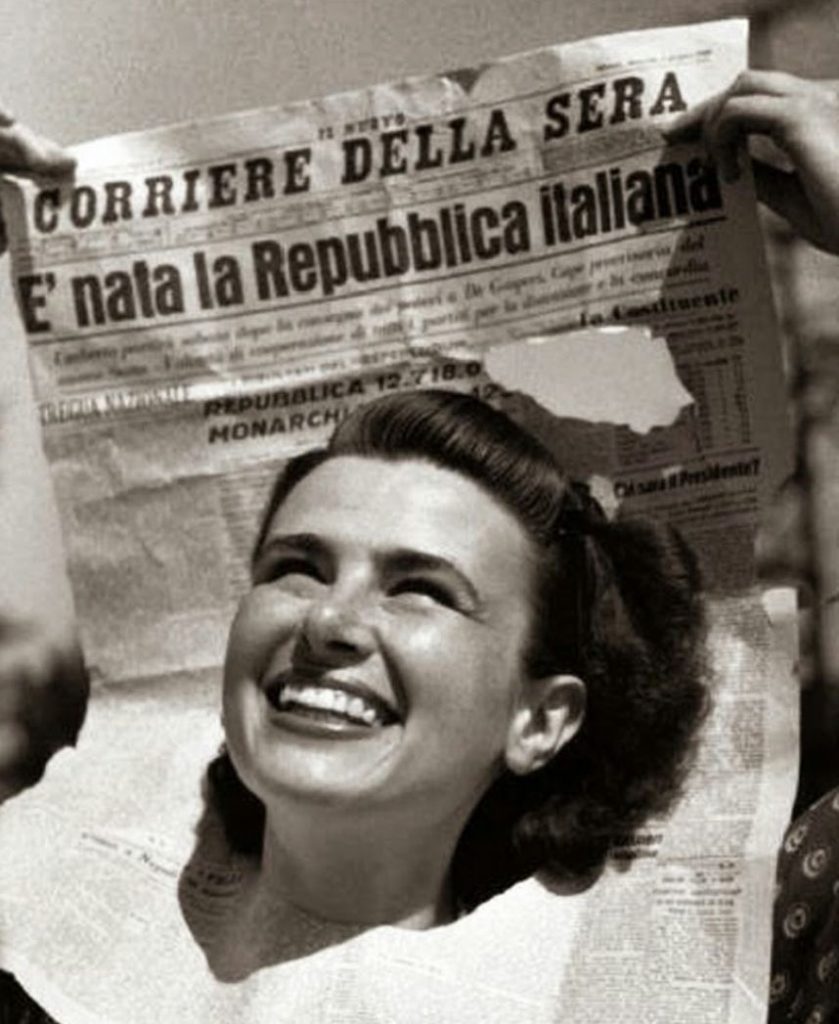
I experience this tension most acutely during major political events. Television still frames the official narrative, but real-time interpretation, irony, and dissent unfold online, often faster and more emotionally charged than traditional journalism can manage. At times, this feels empowering, plural voices, immediate access, horizontal debate. At other times, it feels chaotic, distorted, and algorithmically inflamed.
What unsettles me most is how invisibly my media habits are now integrated into commercial systems far larger than the national sphere. Even when engaging with Italian political content, I am doing so through American-owned infrastructures. This produces a quiet sense of displacement: culturally local, economically global. My attachment to Italian media is therefore no longer just nostalgic, it has become political, bound up with questions of autonomy, visibility, and who truly benefits from my attention.
Leave a Reply