
If Adorno and Horkheimer Logged Into TikTok: A 2025 Reading of the Culture Industry
When Adorno and Horkheimer critiqued the “culture industry” in the 1940s, the media landscape was industrial, centralised, and broadcast-based. The audience’s role was mostly passive: consumers of standardised entertainment engineered to maintain social order.
Fast forward to the platform economy. Superficially, it feels like the opposite: decentralised content creation, participatory culture, democratized production tools. But if the Frankfurt School walked into TikTok, Netflix, Instagram, or Spotify today, I suspect they’d see not emancipation but an even more refined form of standardisation.
1. Standardisation, now at algorithmic scale
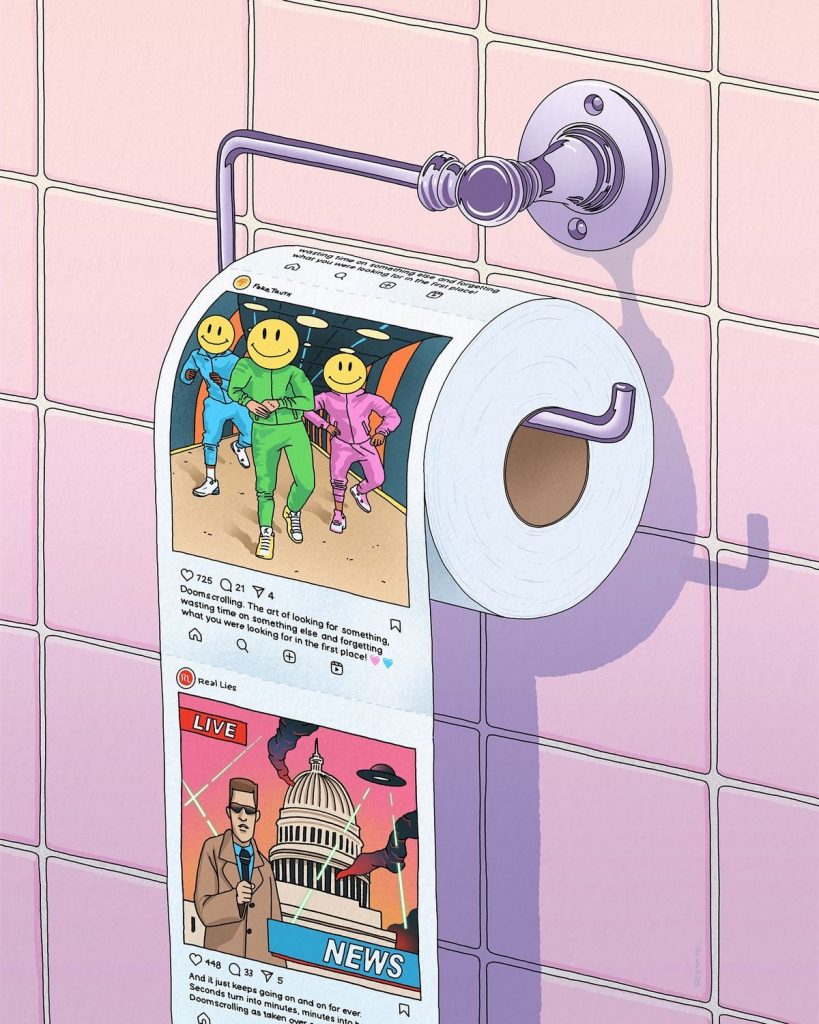
The culture industry once produced uniformity through mass production. Today, platforms generate hyper-personalised standardisation: content that feels customised but is produced within narrow templates reinforced by algorithmic reward structures.
• TikTok “sounds,” trending formats, stitching conventions
• YouTube thumbnails converging on identical emotional expressions
• Spotify’s algorithm inducing homogeneity in listening habits
The illusion of choice masks a deeper convergence towards the optimised norm. The audience appears active, but behaviour is patterned.
2. Pseudo-individualisation in platform culture
Adorno’s concept of pseudo-individualisation fits the influencer economy perfectly.
Creators operate within strict aesthetic and behavioural codes, optimised lighting, pacing, humour, political signalling, yet the platforms sell this output back as authentic individuality.
What looks like personal expression is often performance-engineered for visibility.

The platform economy perfects what the culture industry began: the industrialisation of identity.
3. Attention as the new labour relation
The Frankfurt School were preoccupied with how culture disciplines subjects. Today, platforms actively modulate attention, behaviour, and affect. Techniques include:
• variable reward loops
• FYP optimisation
• engagement-based ranking
• behavioural prediction systems
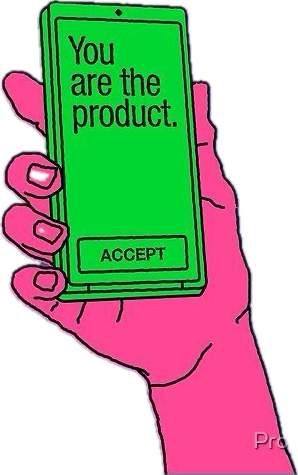
The result is an attention-extraction economy where the user is at once worker, product, and consumer.
Adorno and Horkheimer would likely argue that the new system deepens domination by embedding itself into micro-temporalities of everyday life.
4. The ideology of participation
Platforms frame themselves as democratic spaces where “anyone can go viral.” But like the culture industry, the structure is monopolistic:
• A handful of corporations control distribution infrastructures.
• Visibility is governed by proprietary algorithms.
• Value flows upward, not outward.
The rhetoric of empowerment masks an architecture designed for data capture and monetisation.
How might Adorno and Horkheimer interpret today’s media?
Probably as an evolution, not a rejection, of their original critique:
- More participatory, but not more autonomous.
- More personalised, but not more diverse.
- More interactive, but not more democratic.
Whereas they feared mass conformity, today’s risk is managed individuality, a condition in which people feel expressive while being algorithmically patterned.

In short, the culture industry didn’t die; it scaled, automated, and embedded itself in the intimate rhythms of digital life.
What fundamentally differentiates the contemporary platform economy from the mid-twentieth-century culture industry is speed, granularity, and feedback. Where Hollywood and radio relied on delayed audience metrics, today’s platforms operate through real-time behavioural monitoring. Every pause, scroll, rewatch, or skipped second becomes part of a continuous optimisation loop. From a Frankfurt School perspective, this represents a shift from ideological persuasion at the level of representation to behavioural steering at the level of infrastructure. Power no longer simply tells you what to desire; it quietly rearranges the conditions under which desire is formed.
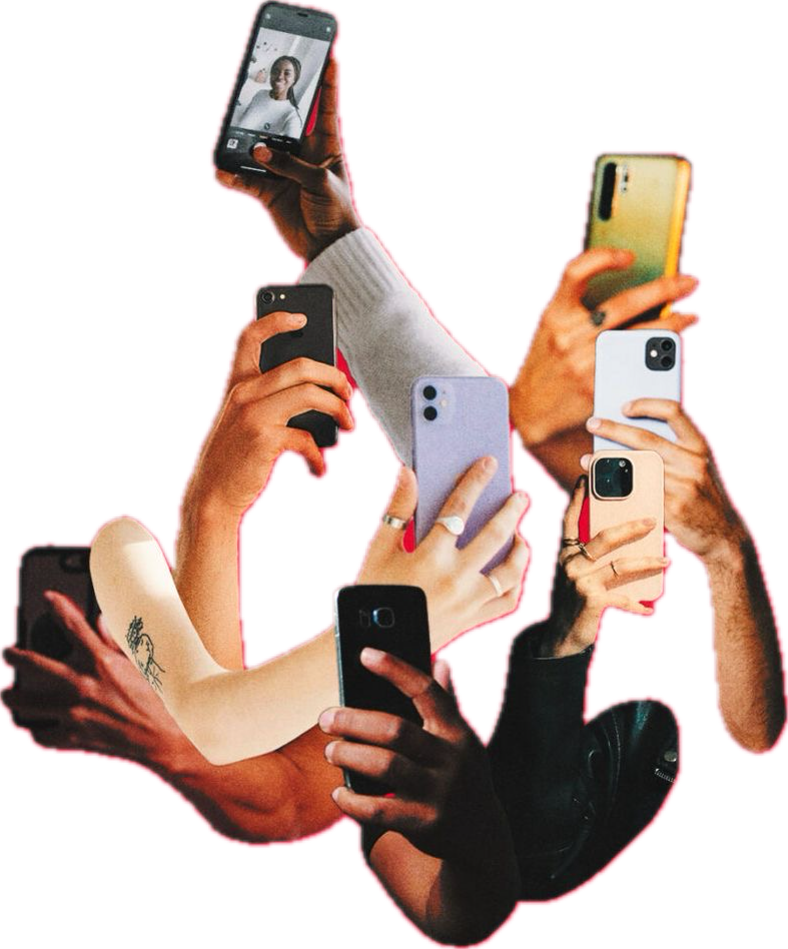
Moreover, the fusion between culture and commerce is now nearly total. In the platform economy, entertainment, advertising, self-branding, and economic aspiration collapse into a single interface. Influencers are simultaneously cultural producers, micro-entrepreneurs, and advertising media. Even dissent and political critique are rapidly absorbed into the metrics of visibility and monetisation. Adorno’s fear that critique itself could become commodified feels uncannily prescient in an era where “anti-capitalist” content is routinely sponsored.
If Adorno and Horkheimer once worried about mass deception, today they might worry even more about voluntary self-commodification, a condition in which individuals willingly optimise themselves for systems that profit from their visibility, labour, and desire for recognition. The danger is no longer only conformity, but the internalisation of platform logic as common sense.
Leave a Reply